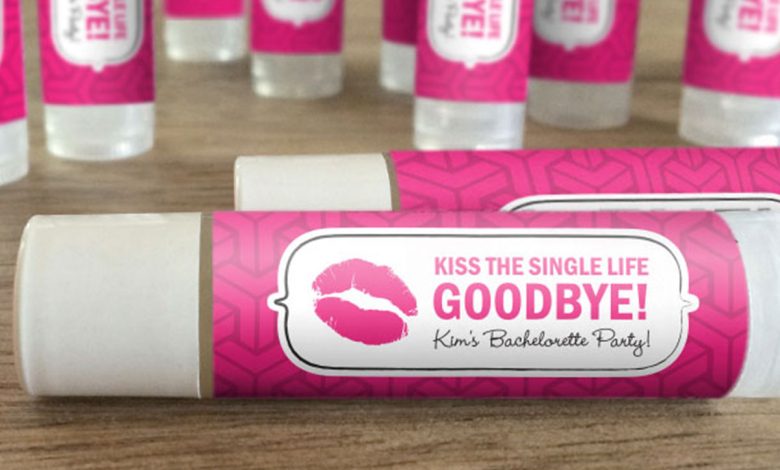
After creating your products, you want to see if there is a marketplace for your product. However, this phase is just as enjoyable as conducting experiments in your home laboratories, so don’t worry.
Use the advice in this article to design sophisticated, fashionable, and distinctive lip gloss labels. The process of creating new custom lip gloss tube labels is simple. It’s a well-known item with standard packing, formulas, and market segments.
Although, even a vials label maker that identifies small boxes quickly and efficiently as possible to buy.
Label laws, however, are unclear. It might need specialized wording, such as a blend of medical and cosmetic label information, to be lawful. Working with restrictions in the little area of a lip gloss tube can be extremely challenging.
How can you combine these components to create a legal and appealing label? Learn about the standards for labeling lip balm before you start.
So, Lip gloss appears so simple. However, it has a significant influence on how cosmetics look. The grand finale that ties everything together is the top cherry. Custom lip gloss tube labels should function like marketing if you market lip gloss. The labels for your lip balm should incorporate both your selling prowess and brand identification.
Moreover, we’ll discuss how else to glam up your personalized lip gloss labels in this article to enhance their appeal. You can create eye-catching labels with the help of our three simple steps!

Custom Lip Gloss Label Maker Defines Your Brand
Developing a unique label and honing a beauty solution is similar. Glosses are used to create lips that appear appealing, while custom lip gloss tube labels ensure that the item seems attractive. Furthermore, if it seems too overwhelming, you might choose specific things that bear your name. Consider it the packaging for your present to the world—one that recipients will continue to compensate for
Selection Of Logo
If you’ve been thinking about launching your product brand, you’ve sketched out some concepts for the container. Although, A modern computer program, online resources for free stuff, or a freelancer that charges a shockingly low rate are all options for refining your logo. Your custom lip gloss tube labels can add frames and other visuals.
Here Are Some Pro Tips
Keep in mind that the label must be simple to understand. Therefore, Even the most daring, avant-garde layout won’t work if your corporation’s name isn’t prominently displayed.
Exploiting Color
Follow your instinct if you understand the colors you want to utilize for your custom lip gloss tube labels. So, the design of your company is entirely up to you. If you’re already exploring your options, learning more about the science of color will help you maximize your impression. Each color remarkably impacts people’s behavior and can affect their purchasing decisions. Mixtures of colors can elicit more nuanced emotions. Here is a summary of the fundamentals:
About Pink Color
This popular makeup hue conjures images of feminine beauty, unwavering adoration, and liveliness. For Example logo of Victoria’s Secret
About Red Color
The vibrant color is closely related to enthusiasm, emotion, energy, and movement. For Example logo of Coca-Cola
About Black Color
This color is restrained, timeless and represents dignity, strength, charisma, and grace. For Example, the logo of Nike.
About White Color
Utilize the purity and purity of white to communicate a statement of kindness, purity, and reliability. For Example, the logo of Adidas.
About Yellow Color
Yellow is the color of pleasure, enthusiasm, and summer because it has sunlight on its edge. For Example, logos of Ferrari and IKEA.
About Blue Color
The color blue creates thoughts of steadiness, unity, trustworthiness, and calm with its reflections of the ocean and the sky. For Example, the logos of Facebook and Walmart.
About Green color
This inspires prosperity and expansion and is a fantastic choice for organic or healthful things.
For Example logo of Starbucks.
About Purple Color
Purple is associated with strength, richness, knowledge, majesty, and divinity. Thus, using it will require self-assurance. For example, the logo of Hallmark
Size Of Custom Lipstick Labels
You’ll have fewer options for the labels unless you’ve picked novel shape containers for your goods. Find a smooth surface to affix a little circular label or anything like that. So, Measure if you’re using typical clear lip balm tubes. There are many templates available online that ought to accommodate your custom lip gloss tube labels excellently.
Method
Make As You Desire
You need to select a choice at this point. Do you wish to create your stickers? With lasers or inkjet printers, you may create your own to enjoy DIY projects. However, the primary drawback would be that the sheet sticker may spill if your item becomes damp or greasy, which will undoubtedly happen at some time. So, If you’re feeling adventurous, you could use a detailed guide and a Circuit machine to make vinyl stickers.
Do Outsource
Uploading your designs and ordering personalized labeling online both cost very little money. For details, check trustworthy internet sites. Most won’t have a minimum order requirement, allowing users to acquire a variety of custom lip gloss tube labels. So you can test which ones are most effective without spending a fortune.
Here Are Some Pro Tips
For your labeling, printing providers can offer you long-term sustainable vinyl and UV coatings if you’d like something more durable and of more excellent quality.
Add More Information
The Food and Drug Administration supervises the products sector and has several labeling regulations. Labels must contain the following information:
- Recommendation
- Quantities
- Storage Stability
- Manufacturers
- supplier
- Instructions
- Cautionary statements
- Expiry Date
Even though it could seem like your offering is drowning in text, be sure to provide critical data. The components you employ must be listed on your labeling as well.
However, it might be simpler to publish these on a tubular package or to include an insert with additional information. Utilizing both the science-based and common names for the active component that constitutes the most significant portion of your texture.
So, continue till you reach any features that make up less than 1% of the lip balm. Custom lip gloss tube labels can be arranged in any sequence.